
Skin Candid Ingredient Library
Understand the ingredientbefore you buy the product.
Evidence-aware skincare ingredient guides covering useful concentrations, formulation limits, safety and realistic routine decisions.
Published ingredient guides
Start with the ingredient you are considering.
Each guide explains where the evidence is useful, where it becomes uncertain and how the ingredient fits into a realistic routine.
3-O-Ethyl Ascorbic Acid
Ingredient Guide 3-O-Ethyl Ascorbic Acid 3-O-Ethyl ascorbic acid is a stable, water-soluble vitamin C derivative used to brighten tone and support antioxidant defence without the formulation headaches of pure L-ascorbic acid. Evidence reviewedAugust 6, 2026 Medical reviewDr. Abdurrahman Efem Practical reviewMerve Akkaya Best-supported context: brightening antioxidantMorning useSensitive-skin friendlier than L-ascorbic acid The direct answer Is ... Read more
Read the guide
Acetyl Hexapeptide-8
Ingredient Guide Acetyl Hexapeptide-8 Acetyl hexapeptide-8, often sold under the trade name Argireline, is a peptide marketed as a topical alternative to reduce the look of expression lines. Its evidence base is smaller and more industry-linked than its marketing suggests. Evidence reviewedAugust 6, 2026 Medical reviewDr. Abdurrahman Efem Practical reviewMerve Akkaya Best-supported context: expression linesEvening ... Read more
Read the guide
Adapalene
Ingredient Guide Adapalene Adapalene is a third-generation retinoid, originally prescription-only and now available over the counter at 0.1%, primarily used to treat and prevent acne. Evidence reviewedAugust 6, 2026 Medical reviewDr. Abdurrahman Efem Practical reviewMerve Akkaya Best-supported context: acne treatmentEvening useAvoid during pregnancy The direct answer Is adapalene worth using? Yes, for acne, when introduced ... Read more
Read the guide
Adenosine
Ingredient Guide Adenosine Adenosine is a soothing, naturally occurring compound used in cosmetic formulas for its calming properties and, in some regulatory frameworks, recognised anti-wrinkle claims. Evidence reviewedAugust 6, 2026 Medical reviewDr. Abdurrahman Efem Practical reviewMerve Akkaya Best-supported context: soothing, mild anti-wrinkleAny time of dayLow irritation risk The direct answer Is adenosine worth using? Reasonable ... Read more
Read the guide
AHA (Alpha Hydroxy Acids)
Ingredient Guide AHA (Alpha Hydroxy Acids) AHAs are a family of water-soluble acids, including glycolic and lactic acid, used to exfoliate the skin’s surface and improve dullness, uneven texture and some types of visible pigmentation. Evidence reviewedAugust 6, 2026 Medical reviewDr. Abdurrahman Efem Practical reviewMerve Akkaya Best-supported context: exfoliation, texture, toneEvening useIncreases sun sensitivity The ... Read more
Read the guide
Allantoin
Allantoin can support a gentle formula, but direct cosmetic evidence is limited and it should not be described as a proven healing treatment.
Read the guide
Aloe Vera
Ingredient Guide Aloe Vera Aloe vera is a plant-derived gel long used to soothe and hydrate skin, though much of its everyday reputation outpaces the strength of controlled clinical evidence. Evidence reviewedAugust 6, 2026 Medical reviewDr. Abdurrahman Efem Practical reviewMerve Akkaya Best-supported context: mild soothing, hydrationAny time of dayPatch-test if allergy-prone The direct answer Is ... Read more
Read the guide
Alpha Arbutin
Alpha arbutin may gradually support uneven pigmentation, but evidence mostly comes from combination formulas and sunscreen remains essential.
Read the guide
Ascorbyl Glucoside
Ingredient Guide Ascorbyl Glucoside Ascorbyl glucoside is a stable, water-soluble vitamin C derivative that must convert to active ascorbic acid within the skin, valued for its formulation stability and gentle profile. Evidence reviewedAugust 6, 2026 Medical reviewDr. Abdurrahman Efem Practical reviewMerve Akkaya Best-supported context: brightening antioxidantMorning useGentle for sensitive skin The direct answer Is ascorbyl ... Read more
Read the guide
Avobenzone
Ingredient Guide Avobenzone Avobenzone is a widely used chemical UVA filter in broad-spectrum sunscreens, valued for its UVA-blocking range but requiring specific formulation to stay stable in sunlight. Evidence reviewedAugust 6, 2026 Medical reviewDr. Abdurrahman Efem Practical reviewMerve Akkaya Best-supported context: UVA protectionMorning, reapplied through the dayRequires photostabilizers in formula The direct answer Is avobenzone ... Read more
Read the guide
Azelaic Acid
Azelaic acid has useful evidence for acne, post-acne marks and inflammatory rosacea, but the strongest studies use 15–20% rather than typical 10% cosmetic products.
Read the guide
Bakuchiol
Bakuchiol has one promising comparative trial, but it is not a retinoid and does not inherit all retinol benefits or automatic pregnancy safety.
Read the guide
Benzoyl Peroxide
Benzoyl peroxide is a well-supported acne treatment. Learn why lower strengths can work, how to reduce irritation and what to combine carefully.
Read the guide
Beta-Glucan
Ingredient Guide Beta-Glucan Beta-glucan is a soothing polysaccharide used to support hydration and calm sensitive or compromised skin, with a generally gentle and well-tolerated profile. Evidence reviewedAugust 6, 2026 Medical reviewDr. Abdurrahman Efem Practical reviewMerve Akkaya Best-supported context: soothing, hydration supportAny time of dayVery low irritation risk The direct answer Is beta-glucan worth using? Yes, ... Read more
Read the guide
BHA (Beta Hydroxy Acid)
Ingredient Guide BHA (Beta Hydroxy Acid) BHA refers primarily to salicylic acid, an oil-soluble exfoliating acid that can penetrate into pores, making it a common choice for oily and acne-prone skin. Evidence reviewedAugust 6, 2026 Medical reviewDr. Abdurrahman Efem Practical reviewMerve Akkaya Best-supported context: clogged pores, mild acneAny time of dayAvoid if aspirin-allergic The direct ... Read more
Read the guide
Caffeine
Ingredient Guide Caffeine Caffeine is a widely used ingredient in eye creams and treatments, valued for its mild vasoconstricting and antioxidant properties, though its effect on puffiness is modest and temporary. Evidence reviewedAugust 7, 2026 Medical reviewDr. Abdurrahman Efem Practical reviewMerve Akkaya Best-supported context: temporary de-puffing, antioxidantMorning useEffects are short-lived The direct answer Is caffeine ... Read more
Read the guide
Centella Asiatica
Centella asiatica may support hydration and comfort in specific formulas, but cica products are not standardized and cannot share one evidence score.
Read the guide
Ceramides
Ceramides are important skin lipids, but a product's barrier performance depends on the complete lipid system and finished formula.
Read the guide
Cholesterol
Ingredient Guide Cholesterol Cholesterol is one of three key lipids, alongside ceramides and fatty acids, that make up the skin’s natural barrier, and is used in moisturizers to support barrier repair. Evidence reviewedAugust 7, 2026 Medical reviewDr. Abdurrahman Efem Practical reviewMerve Akkaya Best-supported context: barrier repairAny time of dayWorks best in the right lipid ratio ... Read more
Read the guide
Colloidal Oatmeal
Ingredient Guide Colloidal Oatmeal Colloidal oatmeal is an FDA-recognized skin protectant used to soothe itching, irritation and dryness, with one of the stronger regulatory evidence bases among soothing ingredients. Evidence reviewedAugust 7, 2026 Medical reviewDr. Abdurrahman Efem Practical reviewMerve Akkaya Best-supported context: itch and irritation reliefAny time of dayFDA-recognized skin protectant The direct answer Is ... Read more
Read the guide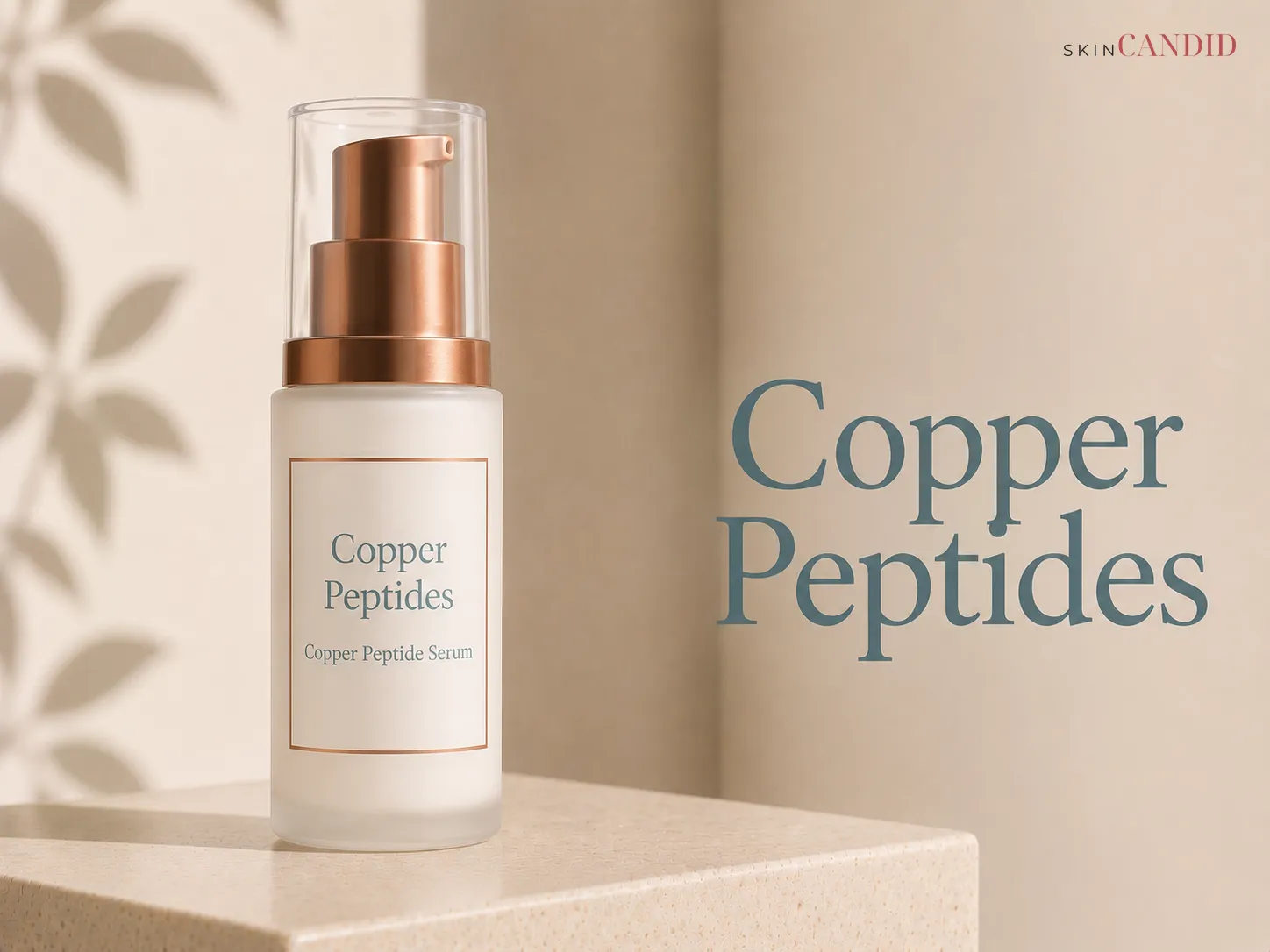
Copper Peptides
Ingredient Guide Copper Peptides Copper peptides, most commonly GHK-Cu, are used in skincare for their role in supporting collagen production and wound healing, with a moderate evidence base among peptide ingredients. Evidence reviewedAugust 7, 2026 Medical reviewDr. Abdurrahman Efem Practical reviewMerve Akkaya Best-supported context: collagen support, wound healingAny time of dayCan oxidize and discolor some ... Read more
Read the guide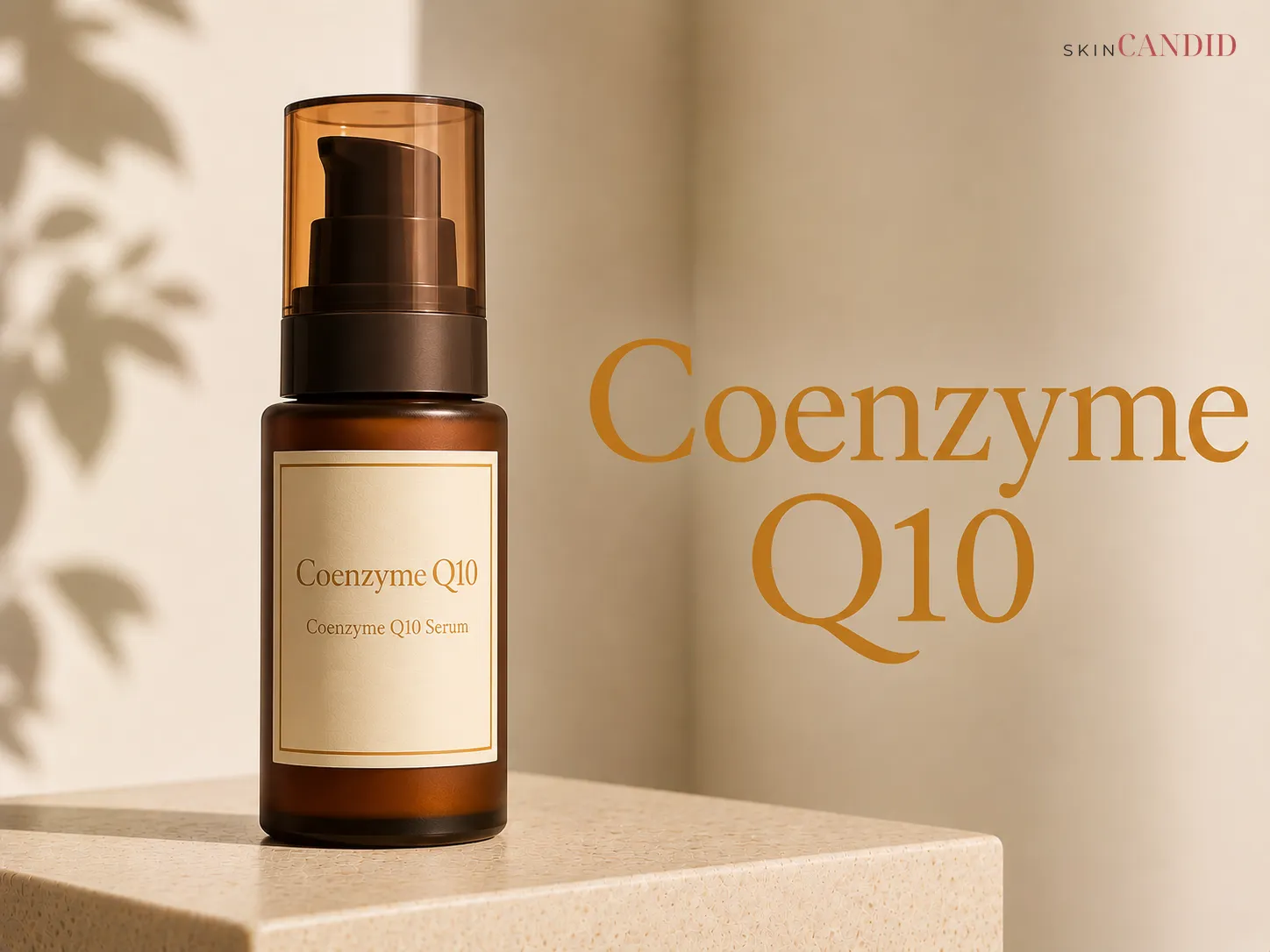
CoQ10 (Coenzyme Q10)
Ingredient Guide CoQ10 (Coenzyme Q10) CoQ10 is an antioxidant naturally present in skin that declines with age, used topically to support antioxidant defence and the look of fine lines. Evidence reviewedAugust 7, 2026 Medical reviewDr. Abdurrahman Efem Practical reviewMerve Akkaya Best-supported context: antioxidant supportAny time of dayWell tolerated for most skin types The direct answer ... Read more
Read the guide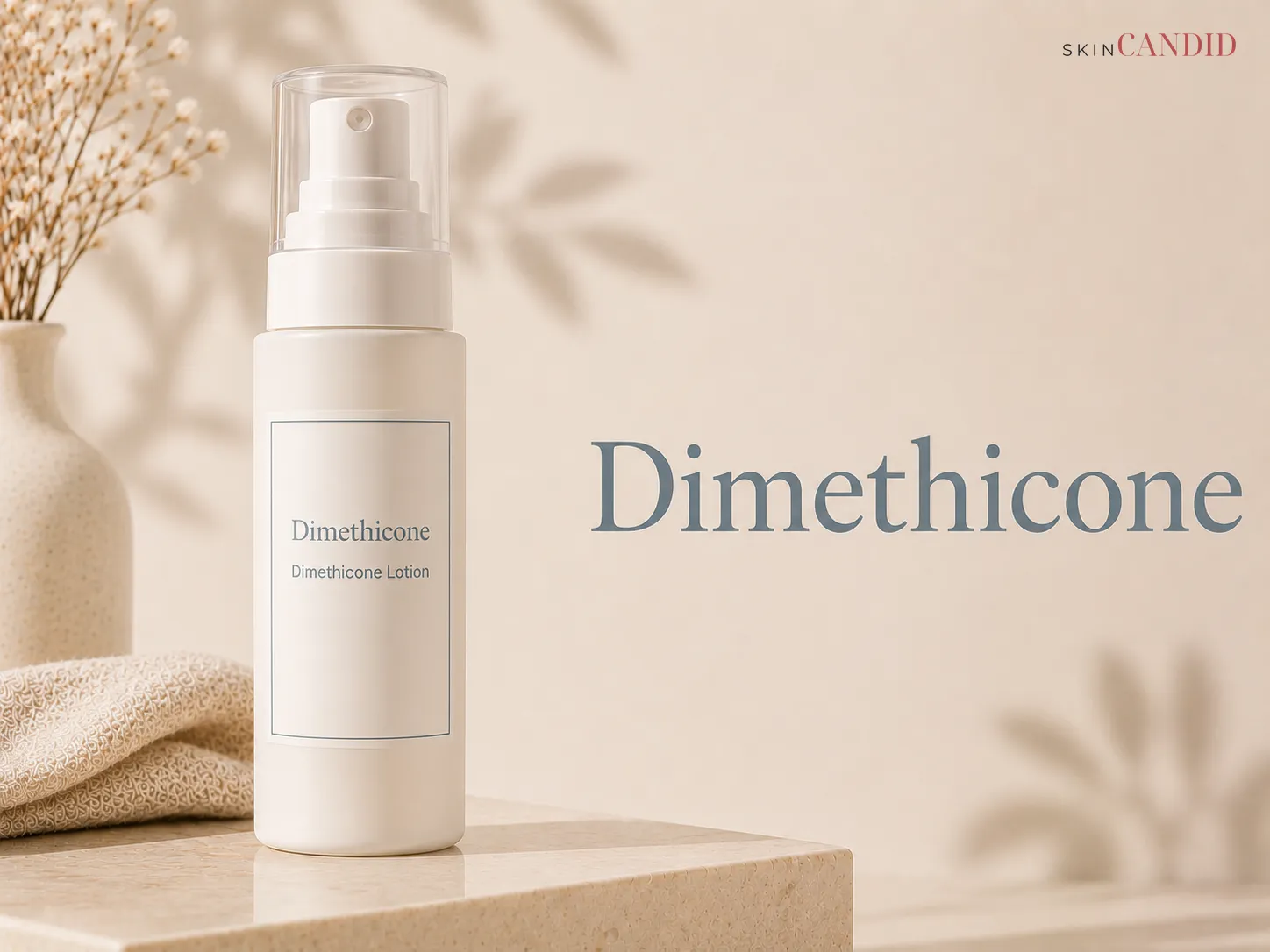
Dimethicone
Ingredient Guide Dimethicone Dimethicone is a widely used silicone that forms a breathable, protective layer on skin, valued for smoothing texture, reducing water loss and improving product feel. Evidence reviewedAugust 8, 2026 Medical reviewDr. Abdurrahman Efem Practical reviewMerve Akkaya Best-supported context: barrier protection, textureAny time of dayNon-comedogenic despite reputation The direct answer Is dimethicone worth ... Read more
Read the guide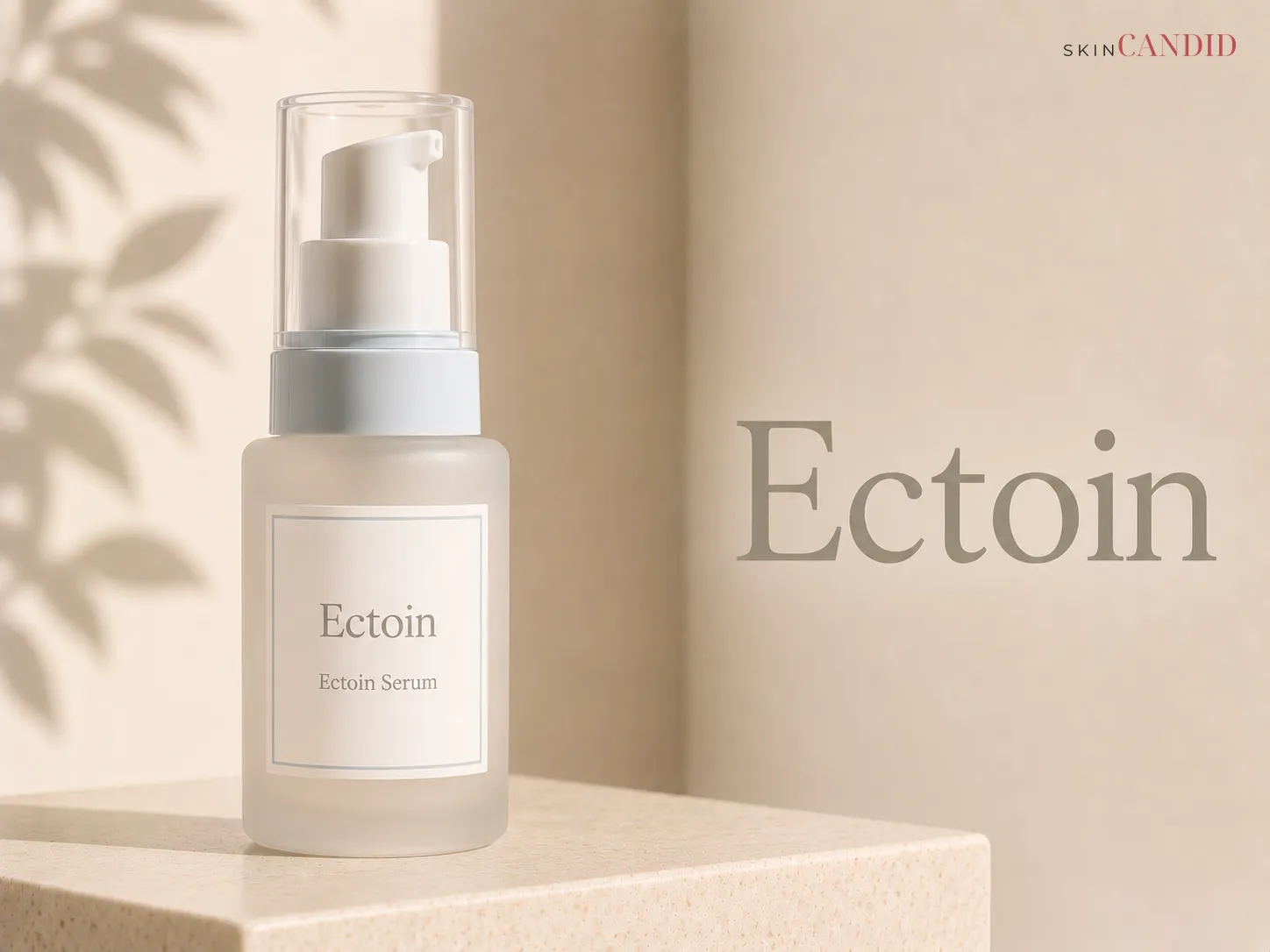
Ectoin
Ingredient Guide Ectoin Ectoin is a compound originally studied for helping microorganisms survive extreme environments, now used in skincare to support hydration and protect against environmental stress. Evidence reviewedAugust 8, 2026 Medical reviewDr. Abdurrahman Efem Practical reviewMerve Akkaya Best-supported context: soothing, environmental protectionAny time of dayWell tolerated for sensitive skin The direct answer Is ectoin ... Read more
Read the guide
EGCG
Ingredient Guide EGCG EGCG (epigallocatechin gallate) is the primary antioxidant polyphenol found in green tea, used topically for antioxidant and mild anti-inflammatory support. Evidence reviewedAugust 8, 2026 Medical reviewDr. Abdurrahman Efem Practical reviewMerve Akkaya Best-supported context: antioxidant supportAny time of dayCan be unstable in formulas The direct answer Is EGCG worth using? Reasonable as a ... Read more
Read the guide
EGF (Epidermal Growth Factor)
Ingredient Guide EGF (Epidermal Growth Factor) EGF is a signaling protein studied for its role in skin cell renewal and wound healing, used topically in serums aimed at supporting the look of ageing skin, though independent evidence for cosmetic use remains limited. Evidence reviewedAugust 8, 2026 Medical reviewDr. Abdurrahman Efem Practical reviewMerve Akkaya Best-supported context: ... Read more
Read the guide
Exosomes in Skincare
Ingredient Guide Exosomes in Skincare Exosomes are cell-derived signaling particles gaining popularity in skincare marketing. It’s important to distinguish topical cosmetic exosome serums from injectable or in-clinic exosome treatments, the latter of which are unapproved biologic products under active FDA enforcement. Evidence reviewedAugust 8, 2026 Medical reviewDr. Abdurrahman Efem Practical reviewMerve Akkaya Best-supported context: still ... Read more
Read the guide
Ferulic Acid
Ingredient Guide Ferulic Acid Ferulic acid is a plant-derived antioxidant most often used to stabilize and enhance vitamin C and vitamin E in combination antioxidant serums. Evidence reviewedAugust 8, 2026 Medical reviewDr. Abdurrahman Efem Practical reviewMerve Akkaya Best-supported context: antioxidant stabilizerMorning useWell tolerated for most skin types The direct answer Is ferulic acid worth using? ... Read more
Read the guide
Glabridin
Ingredient Guide Glabridin Glabridin is a licorice root-derived compound used for its skin-brightening and mild anti-inflammatory properties, working through a tyrosinase-inhibiting mechanism similar to arbutin. Evidence reviewedAugust 8, 2026 Medical reviewDr. Abdurrahman Efem Practical reviewMerve Akkaya Best-supported context: brightening, soothingAny time of dayWell tolerated for most skin types The direct answer Is glabridin worth using? ... Read more
Read the guide
Gluconolactone
Ingredient Guide Gluconolactone Gluconolactone is a PHA (polyhydroxy acid), a gentler category of exfoliating acid with a larger molecule size than AHAs, making it a common choice for sensitive or reactive skin. Evidence reviewedAugust 8, 2026 Medical reviewDr. Abdurrahman Efem Practical reviewMerve Akkaya Best-supported context: gentle exfoliation, sensitive skinAny time of dayLower sun sensitivity risk ... Read more
Read the guide
Glycerin
Ingredient Guide Glycerin Glycerin is one of the most extensively studied and effective humectants in skincare, drawing water into the skin’s surface and supporting the barrier at the same time. Evidence reviewedAugust 8, 2026 Medical reviewDr. Abdurrahman Efem Practical reviewMerve Akkaya Best-supported context: hydration, barrier supportAny time of dayExtremely well tolerated The direct answer Is ... Read more
Read the guide
Glycolic Acid
Glycolic acid can improve rough texture and uneven tone, but pH, strength, sun sensitivity and the difference between home products and professional peels matter.
Read the guide
Green Tea Extract
Ingredient Guide Green Tea Extract Green tea extract is a polyphenol-rich antioxidant ingredient, with EGCG as its primary active compound, used to support antioxidant defence and mild anti-inflammatory benefits. Evidence reviewedAugust 8, 2026 Medical reviewDr. Abdurrahman Efem Practical reviewMerve Akkaya Best-supported context: antioxidant supportAny time of dayFormula stability affects performance The direct answer Is green ... Read more
Read the guide
Growth Factors
Ingredient Guide Growth Factors Growth factors are a broad category of signaling proteins, including EGF, marketed in skincare for supporting skin renewal, though cosmetic-specific independent evidence remains limited across the category. Evidence reviewedAugust 8, 2026 Medical reviewDr. Abdurrahman Efem Practical reviewMerve Akkaya Best-supported context: still emergingAny time of dayCategory, not a single standardized ingredient The ... Read more
Read the guide
Hyaluronic Acid
Topical hyaluronic acid can improve hydration, but it is not filler in a bottle. Formula, moisturizer and realistic expectations matter more than a huge percentage.
Read the guide
Hydroquinone
Ingredient Guide Hydroquinone Hydroquinone is a highly effective, long-established skin-lightening ingredient that has been prescription-only in the United States since 2020, after the FDA removed over-the-counter hydroquinone products from the market. Evidence reviewedAugust 8, 2026 Medical reviewDr. Abdurrahman Efem Practical reviewMerve Akkaya Best-supported context: significant hyperpigmentation, melasmaEvening usePrescription-only in the US since 2020 The direct ... Read more
Read the guide
Hypochlorous Acid
Ingredient Guide Hypochlorous Acid Hypochlorous acid is a gentle antimicrobial spray or mist used to calm irritated skin, support wound care and reduce surface bacteria, naturally produced by the body’s own immune cells. Evidence reviewedAugust 8, 2026 Medical reviewDr. Abdurrahman Efem Practical reviewMerve Akkaya Best-supported context: soothing, antimicrobial supportAny time of dayVery low irritation risk ... Read more
Read the guide
Jojoba Oil
Ingredient Guide Jojoba Oil Jojoba oil is a plant-derived liquid wax that closely resembles skin’s own natural sebum, used as a lightweight emollient suited to a range of skin types, including oily and acne-prone skin. Evidence reviewedAugust 8, 2026 Medical reviewDr. Abdurrahman Efem Practical reviewMerve Akkaya Best-supported context: emollient, non-comedogenic moisturizingAny time of dayWell tolerated, ... Read more
Read the guide
Kojic Acid
Ingredient Guide Kojic Acid Kojic acid is a fungus-derived tyrosinase inhibitor used for hyperpigmentation, with reasonable evidence though a higher irritation and sensitization potential than some newer brighteners. Evidence reviewedAugust 8, 2026 Medical reviewDr. Abdurrahman Efem Practical reviewMerve Akkaya Best-supported context: hyperpigmentationAny time of dayHigher sensitization risk than newer brighteners The direct answer Is kojic ... Read more
Read the guide
Lactic Acid
Lactic acid can smooth rough skin and support some dry-skin body formulas, but it remains an exfoliating acid. Strength, pH, body area and frequency matter.
Read the guide
Lactobionic Acid
Ingredient Guide Lactobionic Acid Lactobionic acid is a PHA (polyhydroxy acid) with a larger molecular structure than AHAs, offering gentle exfoliation plus antioxidant and humectant properties. Evidence reviewedAugust 8, 2026 Medical reviewDr. Abdurrahman Efem Practical reviewMerve Akkaya Best-supported context: gentle exfoliation, sensitive skinAny time of dayLower irritation than AHAs The direct answer Is lactobionic acid ... Read more
Read the guide
Licorice Root Extract
Ingredient Guide Licorice Root Extract Licorice root extract is a plant-derived ingredient used for brightening and soothing, containing active compounds like glabridin and liquiritin that work through complementary mechanisms. Evidence reviewedAugust 8, 2026 Medical reviewDr. Abdurrahman Efem Practical reviewMerve Akkaya Best-supported context: brightening, soothingAny time of dayWell tolerated for most skin types The direct answer ... Read more
Read the guide
Linoleic Acid
Ingredient Guide Linoleic Acid Linoleic acid is an essential fatty acid and key barrier lipid, found in facial oils like rosehip and grapeseed, supporting barrier repair and thought to be particularly well suited to acne-prone skin. Evidence reviewedAugust 8, 2026 Medical reviewDr. Abdurrahman Efem Practical reviewMerve Akkaya Best-supported context: barrier support, acne-prone skinAny time of ... Read more
Read the guide
Madecassoside
Ingredient Guide Madecassoside Madecassoside is one of the primary active compounds in Centella asiatica (cica), studied for its soothing, anti-inflammatory and wound-healing properties. Evidence reviewedAugust 8, 2026 Medical reviewDr. Abdurrahman Efem Practical reviewMerve Akkaya Best-supported context: soothing, barrier supportAny time of dayWell tolerated for sensitive skin The direct answer Is madecassoside worth using? Yes, it’s ... Read more
Read the guide
Mandelic Acid
Mandelic acid may be useful in professional acne peels, but evidence for common low-strength home serums is limited. Gentler marketing is not proof.
Read the guide
N-Acetyl Glucosamine
Ingredient Guide N-Acetyl Glucosamine N-Acetyl glucosamine is an amino sugar related to hyaluronic acid’s building blocks, studied for supporting hydration and, combined with niacinamide, for improving the look of uneven tone. Evidence reviewedAugust 8, 2026 Medical reviewDr. Abdurrahman Efem Practical reviewMerve Akkaya Best-supported context: hydration, tone support with niacinamideAny time of dayWell tolerated for most ... Read more
Read the guide
Niacinamide
Niacinamide can support the skin barrier and gradually improve uneven-looking tone. Learn what the evidence supports, why 2–5% is often enough, and how to use it without overcomplicating your routine.
Read the guide
Octocrylene
Ingredient Guide Octocrylene Octocrylene is a chemical UVB filter commonly used to photostabilize other sunscreen ingredients, particularly avobenzone, though some formulations have raised questions about degradation over time. Evidence reviewedAugust 8, 2026 Medical reviewDr. Abdurrahman Efem Practical reviewMerve Akkaya Best-supported context: UVB protection, photostabilizerMorning, reapplied through the daySome benzophenone-degradation concerns raised The direct answer Is ... Read more
Read the guide
Oxybenzone
Ingredient Guide Oxybenzone Oxybenzone is a broad-spectrum chemical UV filter that remains FDA-permitted in the US, though it has been restricted in some regions over coral reef and environmental concerns, and some research has examined its systemic absorption. Evidence reviewedAugust 8, 2026 Medical reviewDr. Abdurrahman Efem Practical reviewMerve Akkaya Best-supported context: broad-spectrum UV protectionMorning, reapplied ... Read more
Read the guide
Panthenol
Panthenol is a useful humectant and conditioning ingredient, especially inside a simple moisturizer, but higher percentages are not automatically better.
Read the guide
PDRN
Ingredient Guide PDRN PDRN (polydeoxyribonucleotide) is a DNA-derived compound, often called ‘salmon DNA’ on social media, with genuine regenerative research support in injectable and clinical settings, but real, documented penetration limitations for topical over-the-counter serums. Evidence reviewedAugust 8, 2026 Medical reviewDr. Abdurrahman Efem Practical reviewMerve Akkaya Best-supported context: injectable/clinical useTopical evidence is limitedHigh molecular weight ... Read more
Read the guide
Peptides
Ingredient Guide Peptides Peptides are short chains of amino acids used in skincare for hydration, barrier support and visible ageing claims. ‘Peptides’ is a broad category, so evidence for one peptide cannot be transferred to another. Evidence reviewedAugust 1, 2026 Medical reviewDr. Abdurrahman Efem Practical reviewMerve Akkaya Best-supported range: No universal percentage standardEvidence confidence: Limited-to-moderate ... Read more
Read the guide
Petrolatum
Ingredient Guide Petrolatum Petrolatum is one of the most effective occlusive moisturizing ingredients available, with an FDA-recognized skin protectant status and decades of clinical use, despite ongoing consumer hesitancy.Evidence reviewedAugust 8, 2026Medical reviewDr. Abdurrahman EfemPractical reviewMerve Akkaya Best-supported context: barrier repair, occlusionAny time of day, especially overnightFDA-recognized skin protectant The direct answer Is petrolatum worth ... Read more
Read the guide
PHA (Polyhydroxy Acids)
Ingredient Guide PHA (Polyhydroxy Acids) PHAs are the gentlest category of exfoliating acids, including gluconolactone and lactobionic acid, offering surface exfoliation with lower irritation than AHAs, making them well suited to sensitive skin. Evidence reviewedAugust 8, 2026 Medical reviewDr. Abdurrahman Efem Practical reviewMerve Akkaya Best-supported context: gentle exfoliation, sensitive skinAny time of dayLower photosensitivity than ... Read more
Read the guide
Resveratrol
Ingredient Guide Resveratrol Resveratrol is a plant-derived antioxidant, best known from red wine and grapes, used in skincare to support antioxidant defence, though formulation stability significantly affects real-world performance. Evidence reviewedAugust 8, 2026 Medical reviewDr. Abdurrahman Efem Practical reviewMerve Akkaya Best-supported context: antioxidant supportAny time of dayRequires stable formulation The direct answer Is resveratrol worth ... Read more
Read the guide
Retinal
Ingredient Guide Retinal Retinal is a topical vitamin A derivative positioned between retinol and prescription retinoic acid. It may improve visible photoageing and acne-related concerns, but it can still irritate and should be introduced gradually. Evidence reviewedAugust 1, 2026 Medical reviewDr. Abdurrahman Efem Practical reviewMerve Akkaya Best-supported range: 0.05–0.1%Evidence confidence: Moderate The direct answer Is ... Read more
Read the guide
Retinol
Retinol can gradually improve fine lines and texture, but stability, irritation and pregnancy limits matter more than chasing the highest percentage.
Read the guide
Salicylic Acid
Salicylic acid is best for clogged pores and mild comedonal acne. Choose one 0.5–2% format, start slowly and stop escalating when irritation appears.
Read the guide
Should You Use Alpha Arbutin?
Ingredient Decision Evidence reviewedAugust 12, 2026 Medical reviewDr. Abdurrahman Efem Practical reviewMerve Akkaya Should You Use Alpha Arbutin? Alpha arbutin offers meaningful pigmentation improvement with a considerably better tolerability profile than hydroquinone, making it a reasonable non-prescription starting point. Any time of dayGentler than hydroquinonePair with daily sunscreen The direct answer Yes, particularly if you ... Read more
Read the guide
Should You Use Alpha Arbutin?
Ingredient Decision Evidence reviewedAugust 12, 2026 Medical reviewDr. Abdurrahman Efem Practical reviewMerve Akkaya Should You Use Alpha Arbutin? Alpha arbutin offers meaningful pigmentation improvement with a considerably better tolerability profile than hydroquinone, making it a reasonable non-prescription starting point. Any time of dayGentler than hydroquinonePair with daily sunscreen The direct answer Yes, particularly if you ... Read more
Read the guide
Should You Use Azelaic Acid?
Ingredient Decision Evidence reviewedAugust 12, 2026 Medical reviewDr. Abdurrahman Efem Practical reviewMerve Akkaya Should You Use Azelaic Acid? Azelaic acid is unusually versatile, with reasonable evidence for acne, redness and pigmentation simultaneously, and a favorable safety profile that includes pregnancy. Any time of dayOne of the few actives considered pregnancy-safeAddresses multiple concerns at once The ... Read more
Read the guide
Should You Use Benzoyl Peroxide?
Ingredient Decision Evidence reviewedAugust 12, 2026 Medical reviewDr. Abdurrahman Efem Practical reviewMerve Akkaya Should You Use Benzoyl Peroxide? Benzoyl peroxide remains one of the most effective, accessible acne treatments available, without the resistance concerns of antibiotics, but it will bleach fabric and often causes dryness. Any time of dayBleaches colored fabricStart with 2.5% concentration The ... Read more
Read the guide
Should You Use Caffeine?
Ingredient Decision Evidence reviewedAugust 12, 2026 Medical reviewDr. Abdurrahman Efem Practical reviewMerve Akkaya Should You Use Caffeine? Caffeine can temporarily reduce the look of puffiness, but it won’t resolve dark circles caused by pigmentation or structural factors. Knowing which one you’re dealing with changes the answer. Morning use, around the eyesTemporary effect onlyWon’t fix pigmented ... Read more
Read the guide
Should You Use Ceramides?
Ingredient Decision Evidence reviewedAugust 12, 2026 Medical reviewDr. Abdurrahman Efem Practical reviewMerve Akkaya Should You Use Ceramides? Ceramides are a core building block of a healthy skin barrier, and topical formulas can help support repair, but the ratio with other lipids matters more than ceramide content alone. Any time of dayRatio matters more than % ... Read more
Read the guide
Should You Use Glycolic Acid?
Ingredient Decision Evidence reviewedAugust 12, 2026 Medical reviewDr. Abdurrahman Efem Practical reviewMerve Akkaya Should You Use Glycolic Acid? Glycolic acid is the smallest, most potent common AHA, effective for texture and tone but also the most likely of the AHAs to irritate if you move too fast. Evening useIncreases sun sensitivityStart low, build up slowly ... Read more
Read the guide
Should You Use Hyaluronic Acid?
Ingredient Decision Evidence reviewedAugust 12, 2026 Medical reviewDr. Abdurrahman Efem Practical reviewMerve Akkaya Should You Use Hyaluronic Acid? Hyaluronic acid is one of the best-evidenced hydrating ingredients available, but it needs to be sealed in with a moisturizer to work as intended, especially in dry climates. Apply to damp skinAny time of dayPair with a ... Read more
Read the guide
Should You Use Kojic Acid?
Ingredient Decision Evidence reviewedAugust 12, 2026 Medical reviewDr. Abdurrahman Efem Practical reviewMerve Akkaya Should You Use Kojic Acid? Kojic acid is effective for hyperpigmentation, but it comes with a higher irritation and sensitization risk than newer brighteners. Here’s how to weigh that trade-off. Any time of dayHigher sensitization riskOften used in combination formulas The direct ... Read more
Read the guide
Should You Use Lactic Acid?
Ingredient Decision Evidence reviewedAugust 12, 2026 Medical reviewDr. Abdurrahman Efem Practical reviewMerve Akkaya Should You Use Lactic Acid? Lactic acid combines gentle exfoliation with genuine humectant properties, making it a reasonable AHA starting point, particularly for drier or more sensitive skin. Evening useGentler than glycolic acidSome added hydration benefit The direct answer Yes, and it’s ... Read more
Read the guide
Should You Use Niacinamide?
Ingredient Decision Evidence reviewedAugust 12, 2026 Medical reviewDr. Abdurrahman Efem Practical reviewMerve Akkaya Should You Use Niacinamide? Niacinamide is one of the most versatile, well-tolerated actives available, but higher percentages don’t necessarily mean better results, and for some people they mean more irritation. Any time of dayHigher % isn’t always betterVery low irritation risk The ... Read more
Read the guide
Should You Use Panthenol?
Ingredient Decision Evidence reviewedAugust 12, 2026 Medical reviewDr. Abdurrahman Efem Practical reviewMerve Akkaya Should You Use Panthenol? Panthenol is a gentle, supportive ingredient for hydration and comfort, well suited to nearly everyone but not a substitute for a more targeted treatment. Any time of dayVery low irritation riskSupportive, not primary treatment The direct answer Yes, ... Read more
Read the guide
Should You Use Peptides?
Ingredient Decision Evidence reviewedAugust 12, 2026 Medical reviewDr. Abdurrahman Efem Practical reviewMerve Akkaya Should You Use Peptides? Peptides are a broad ingredient category, not one standardized active, so their evidence and realistic expectations vary considerably depending on which specific peptide and formulation you’re considering. Any time of dayEvidence varies by specific peptideLow irritation risk The ... Read more
Read the guide
Should You Use Retinal?
Ingredient Decision Evidence reviewedAugust 12, 2026 Medical reviewDr. Abdurrahman Efem Practical reviewMerve Akkaya Should You Use Retinal? Retinal (retinaldehyde) sits between retinol and prescription retinoids in potency, often working faster than retinol while still being available over the counter. Evening useFaster-acting than retinolNot during pregnancy The direct answer Reasonable if you’ve built some tolerance to ... Read more
Read the guide
Should You Use Retinol?
Ingredient Decision Evidence reviewedAugust 12, 2026 Medical reviewDr. Abdurrahman Efem Practical reviewMerve Akkaya Should You Use Retinol? Retinol has one of the strongest evidence bases in skincare, but “strong evidence” doesn’t mean “right for everyone right now.” Here’s how to work out whether it fits your skin, your goals and your timeline. Evening use, introduced ... Read more
Read the guide
Should You Use Salicylic Acid?
Ingredient Decision Evidence reviewedAugust 12, 2026 Medical reviewDr. Abdurrahman Efem Practical reviewMerve Akkaya Should You Use Salicylic Acid? Salicylic acid’s oil solubility lets it work inside pores in a way water-soluble acids can’t, making it a practical first choice for clogged pores and oily, acne-prone skin. Any time of dayAvoid if aspirin-allergicBuild up frequency gradually ... Read more
Read the guide
Should You Use Squalane?
Ingredient Decision Evidence reviewedAugust 12, 2026 Medical reviewDr. Abdurrahman Efem Practical reviewMerve Akkaya Should You Use Squalane? Squalane is one of the most broadly well-tolerated emollients available, suiting nearly every skin type including oily and acne-prone skin. Any time of daySuits nearly all skin typesNo gradual introduction needed The direct answer Yes, for almost everyone. ... Read more
Read the guide
Should You Use Sulfur?
Ingredient Decision Evidence reviewedAugust 12, 2026 Medical reviewDr. Abdurrahman Efem Practical reviewMerve Akkaya Should You Use Sulfur? Sulfur is a gentler, century-old alternative to benzoyl peroxide for mild acne, with a distinctive smell as its main practical trade-off. Any time of dayDistinctive smellGentler than benzoyl peroxide The direct answer Reasonable if you have mild acne ... Read more
Read the guide
Should You Use Tranexamic Acid?
Ingredient Decision Evidence reviewedAugust 12, 2026 Medical reviewDr. Abdurrahman Efem Practical reviewMerve Akkaya Should You Use Tranexamic Acid? Tranexamic acid is a well-tolerated option for stubborn pigmentation, including melasma, with a mechanism distinct from other brighteners. Here’s when it’s worth adding to a routine. Any time of dayWell toleratedWorks through a different mechanism The direct ... Read more
Read the guide
Should You Use Urea?
Ingredient Decision Evidence reviewedAugust 12, 2026 Medical reviewDr. Abdurrahman Efem Practical reviewMerve Akkaya Should You Use Urea? Urea’s role shifts dramatically with concentration, from an everyday humectant at low percentages to a targeted treatment for thickened skin at higher ones. Which one you need depends entirely on your goal. Concentration determines functionAny time of dayHigher ... Read more
Read the guide
Should You Use Vitamin C?
Ingredient Decision Evidence reviewedAugust 12, 2026 Medical reviewDr. Abdurrahman Efem Practical reviewMerve Akkaya Should You Use Vitamin C? Vitamin C’s benefits depend heavily on which form you use and how well the formula preserves its stability, more than on the percentage listed on the bottle. Morning useFormula stability matters mostL-ascorbic acid is most potent form ... Read more
Read the guide
Should You Use Zinc PCA?
Ingredient Decision Evidence reviewedAugust 12, 2026 Medical reviewDr. Abdurrahman Efem Practical reviewMerve Akkaya Should You Use Zinc PCA? Zinc PCA is used to support oil balance and a smoother-looking complexion, with a developing but still modest evidence base compared with more established oil-focused actives. Any time of daySupportive, not primary treatmentWell tolerated for most skin ... Read more
Read the guide
Tranexamic Acid
Ingredient Guide Tranexamic Acid Topical tranexamic acid is used for uneven pigmentation and melasma-focused skincare. Evidence is promising but heterogeneous, and it should not be confused with oral tranexamic acid. Evidence reviewedAugust 1, 2026 Medical reviewDr. Abdurrahman Efem Practical reviewMerve Akkaya Best-supported range: Commonly studied around 2–5% topicallyEvidence confidence: Limited-to-moderate The direct answer Is Tranexamic ... Read more
Read the guide
Vitamin C
Topical vitamin C can support uneven tone and antioxidant care, but chemical form, stability, packaging and sunscreen matter more than percentage alone.
Read the guideNo matching ingredient guides.
Try a broader search term or reset the category and letter filters.
How to use this library
Do not choose an ingredient from reputation alone.
The useful question is whether the studied benefit matches your concern, the formula is tolerable and the routine remains simple enough to follow.
Match the concern
Look for evidence tied to the actual goal: acne, pigmentation, hydration, fine lines or another defined concern.
Read the limitation
Check whether research used a prescription strength, specific vehicle, different population or multi-ingredient formula.
Introduce one change
One new active at a time makes irritation easier to identify and keeps the routine manageable.
Independent editorial standards
Evidence before trends.
Claim-specific evidence
Hydration, acne, pigmentation and visible-ageing claims are assessed separately. One strong claim does not validate every marketing promise.
Concentration in context
A percentage is useful only when the chemical form, vehicle, pH, stability and studied use are also considered.
Safety stays visible
Irritation, allergy potential, pregnancy guidance and professional-help limits are not hidden beneath benefit claims.
Commercial independence
Brands may advertise, but they cannot buy rankings, conclusions, edits or removal of criticism.
Ingredient library FAQ
Common questions before choosing an active.
These answers help you interpret ingredient guides without turning a simple routine into a chemistry project.
Does a higher percentage always work better?
No. Higher concentrations can increase irritation without producing a proportionally better result. Formula stability, vehicle, pH and tolerability often matter as much as the number on the label.
Can I combine several active ingredients?
Sometimes, but introducing one change at a time makes irritation easier to identify. A routine that is simple enough to follow consistently is usually more useful than an aggressive stack of actives.
What does an evidence badge mean?
The badge reflects the overall quality and relevance of evidence for the guide’s central skincare uses. Individual claims inside each guide may still receive different evidence assessments.
Are ingredient guides a substitute for medical advice?
No. They support product decisions and general education. Persistent, severe, painful or rapidly changing skin concerns should be assessed by a qualified healthcare professional.
Continue your research
Move from ingredients to better decisions.
Use the wider Skin Candid library to connect an ingredient with your concern, routine and product choice.